

Venezuela is known for its remarkable natural beauty and vast resources. It is home to the world’s highest waterfall, dense rainforests, fertile plains, and enormous oil reserves.
For decades, political instability has kept the country on the margins of global affairs. On the morning of January 3, 2026, when the United States launched Operation Absolute Resolve, a large-scale military action in Caracas. The operation resulted in the arrest of President Nicolás Maduro and his wife Cilia Flores, marking one of the most direct foreign interventions in Latin America in recent history.
This event did not happen in isolation. It was deeply linked to Venezuela’s geography, which has long shaped its political importance and made it a focal point of global power competition.
Geography Matters
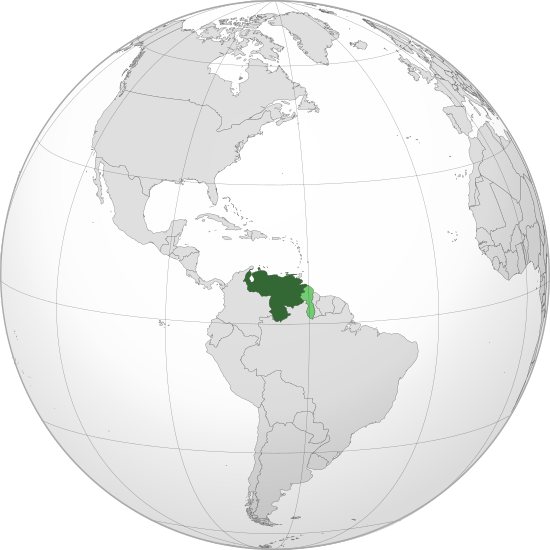
Geographers often explain political power by looking at location, terrain, and natural resources. Venezuela is a textbook example of how geography can influence global politics.
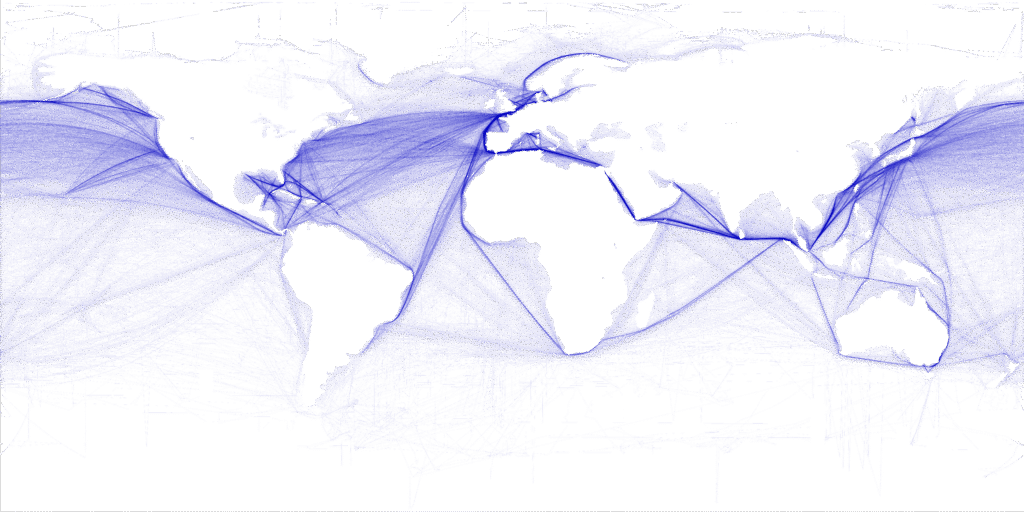
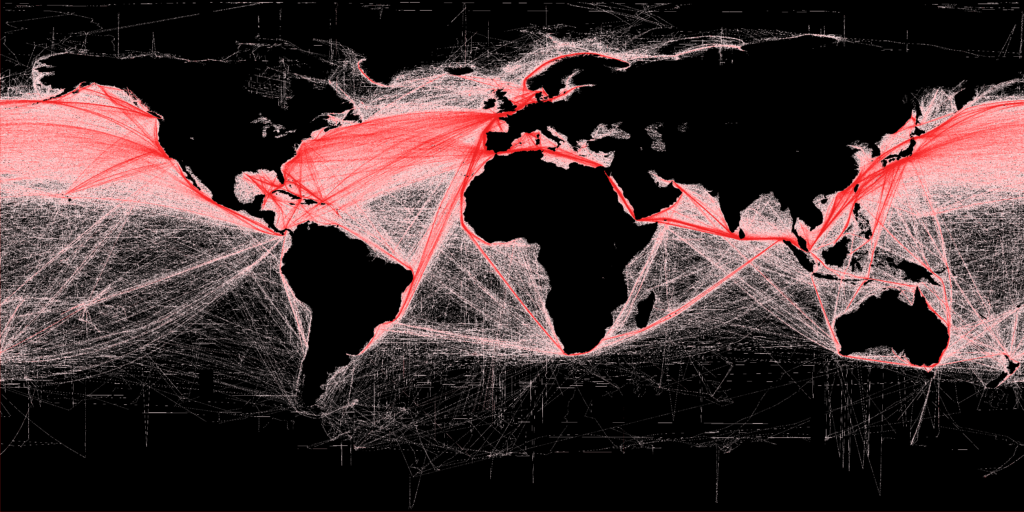
Located at the northern edge of South America, Venezuela acts as a natural bridge between the Caribbean Sea and the Atlantic Ocean. Its coastline lies close to major international shipping routes connecting North America, South America, and Europe. This strategic position gives the country importance far beyond its borders.
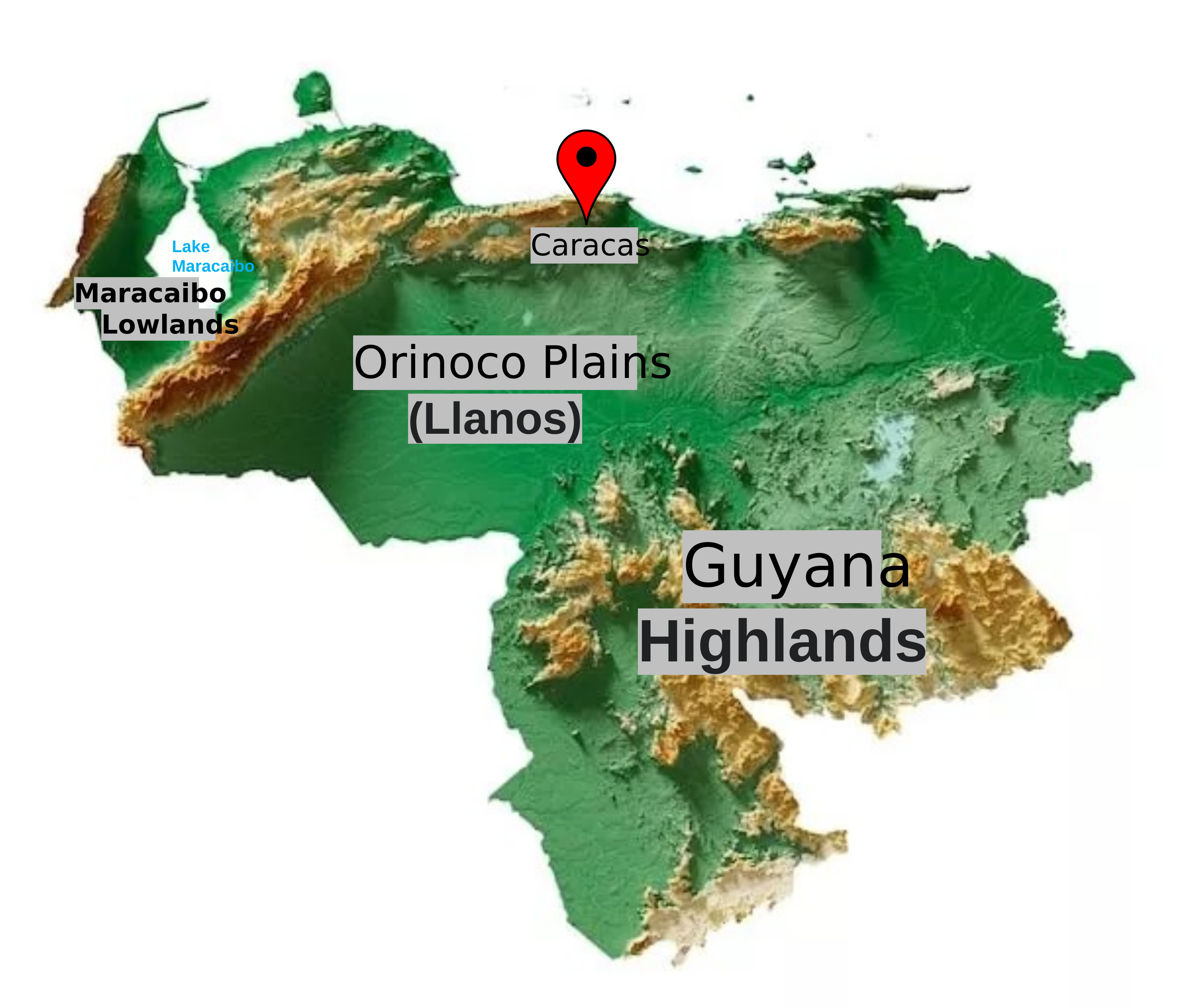
Within the country, Venezuela can be divided into four major geographic regions, each playing a different political and economic role.
1. The Maracaibo Lowlands: Oil and Power
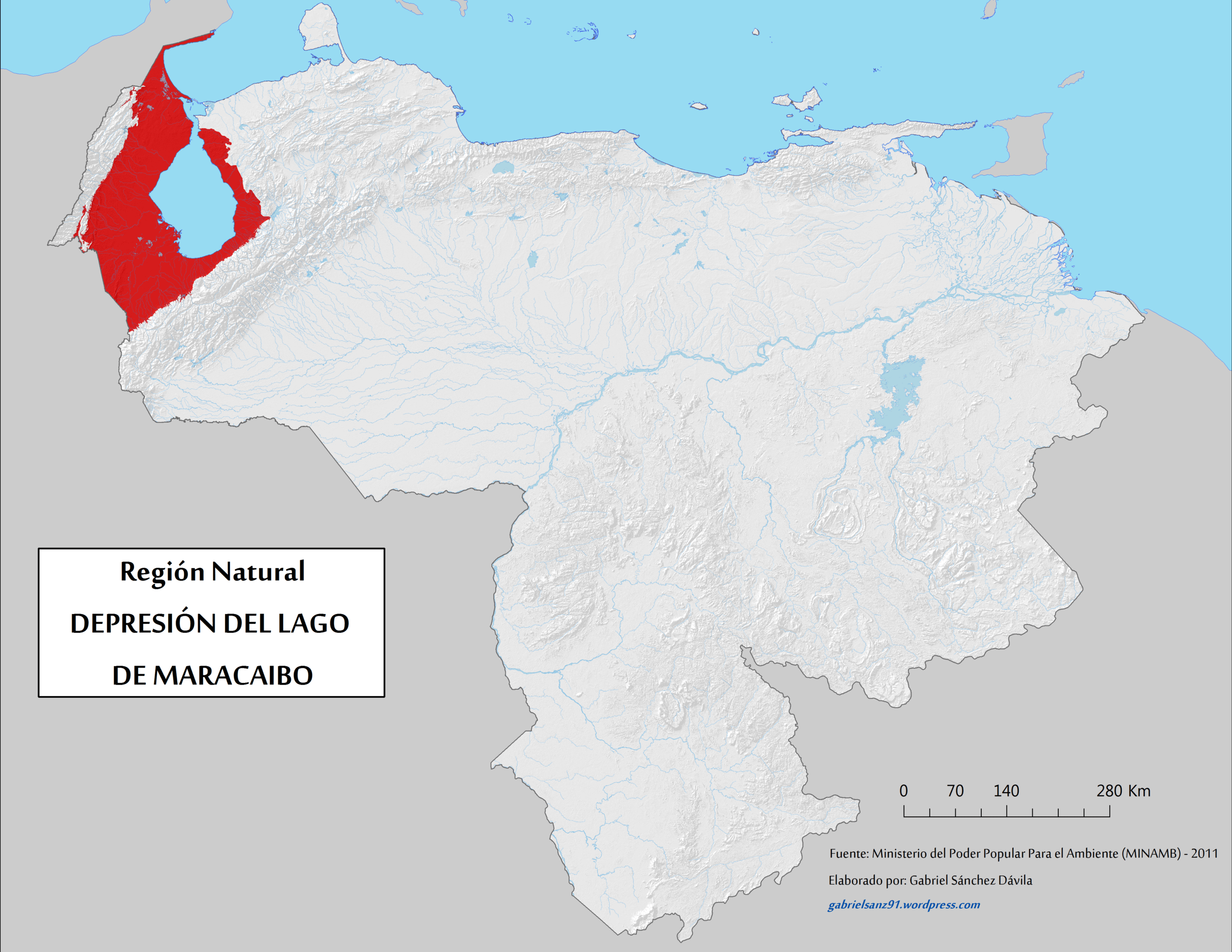
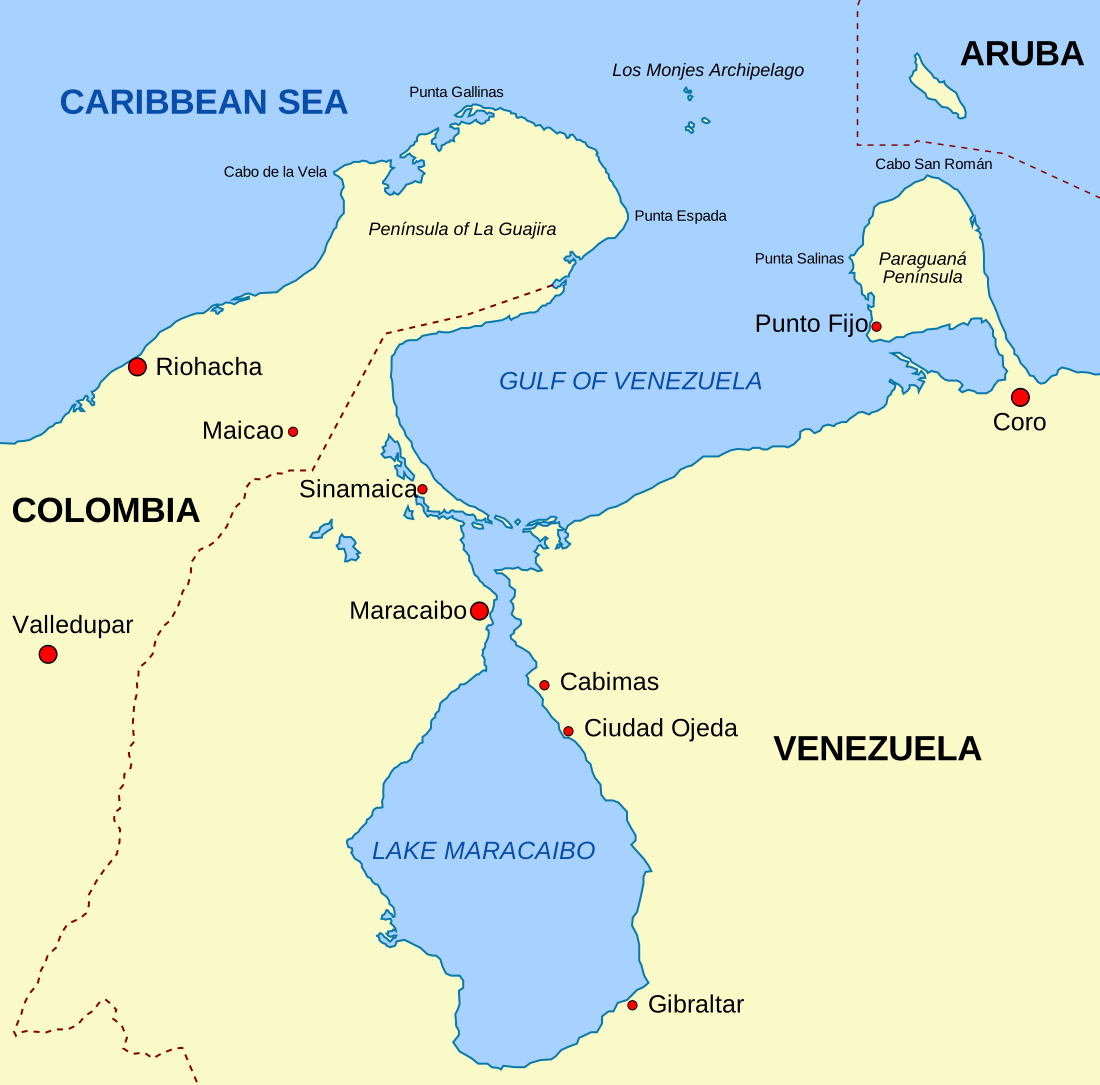
The Maracaibo Lowlands, in northwestern Venezuela, are flat and low-lying, centred around Lake Maracaibo. This region is the historic heart of Venezuela’s oil industry and one of the oldest oil-producing zones in the world.
Because oil revenues have long funded the Venezuelan state, control over this region has been central to political power. Any change in government immediately affects global oil markets, making this region a key reason for foreign interest in Venezuela.
2. The Northern Mountains: Population and Control
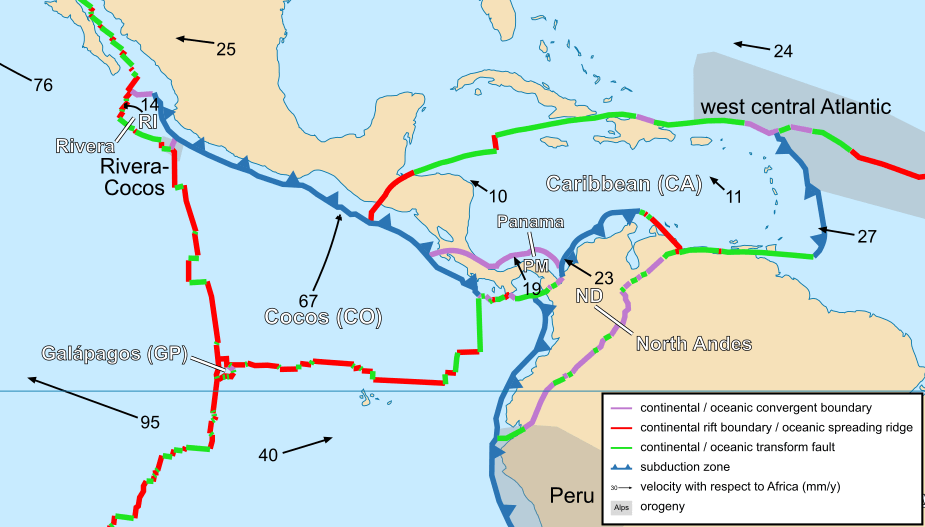
The Northern Mountains, an extension of the Andes, run parallel to the Caribbean coast. This region contains most of Venezuela’s cities, industries, and population, including Caracas, the capital.
Mountain terrain limits expansion and concentrates people and infrastructure in narrow valleys. As a result, political protests, military control, and administrative power are highly concentrated here. This is also why Caracas has remained the focal point of both internal unrest and external intervention.
3. The Orinoco Plains (Llanos): The Interior Heartland
The Llanos, or Orinoco Plains, stretch across central Venezuela. These vast tropical grasslands support agriculture, cattle ranching, and transport corridors linking inland regions to the coast.
Politically, the Llanos serve as a buffer zone between the populated north and the remote south. Control of these plains is crucial for national integration and for moving resources toward export ports.
4. The Guiana Highlands: Resources Without Population
The Guiana Highlands cover more than half of Venezuela’s land area but remain sparsely populated. This rugged region is known for its ancient plateaus (tepuis), dense forests, mineral wealth, and Angel Falls, the highest waterfall in the world.
Although remote, this region holds strategic importance due to its minerals, water resources, and proximity to Brazil and Guyana. Long-term control over this area is essential for Venezuela’s economic future.
Why Venezuela Became a Global Hotspot
Venezuela’s geography made it rich, but its oil reserves made it geopolitically sensitive. The country holds the largest proven oil reserves in the world, most of it heavy crude that only certain refineries can process. As global energy supply chains became unstable due to wars, sanctions, and shifting alliances, control over Venezuelan oil gained renewed importance. This pulled major powers—the United States, Russia, and China—into a strategic rivalry over the country’s future.
The events of January 2026 reflect this larger struggle, where geography, energy security, and political influence intersect.
Why Venezuela Matters to India
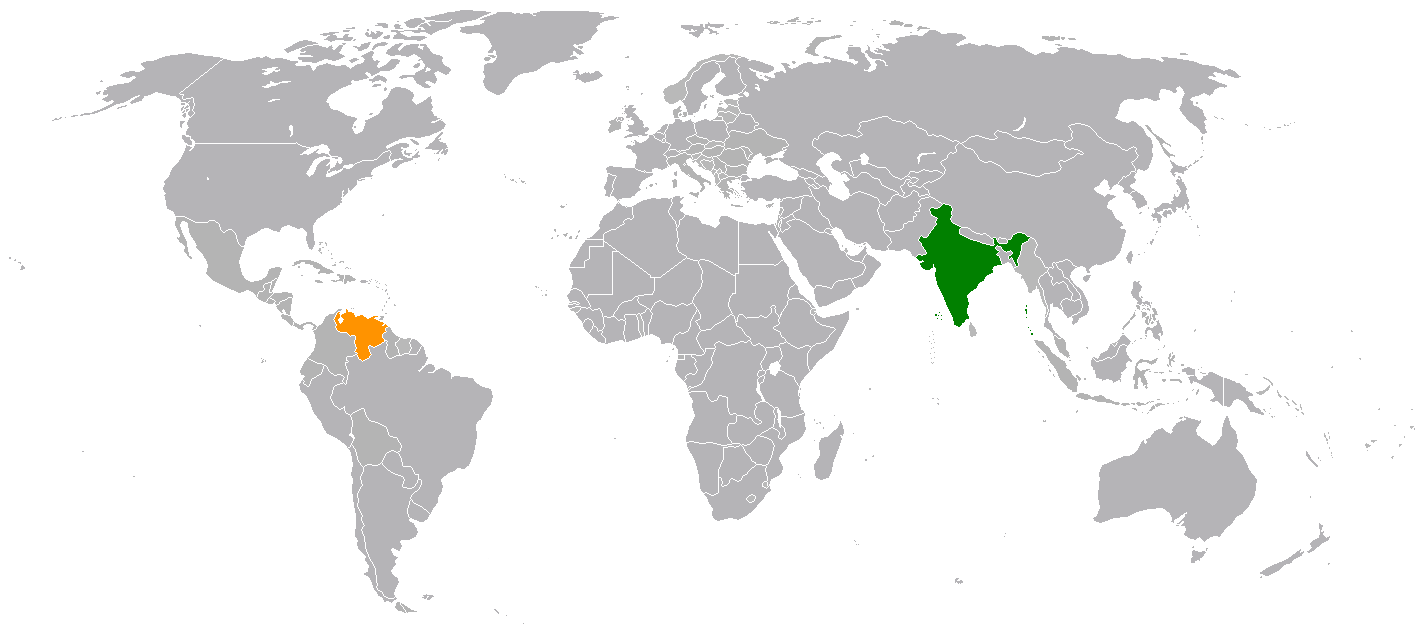
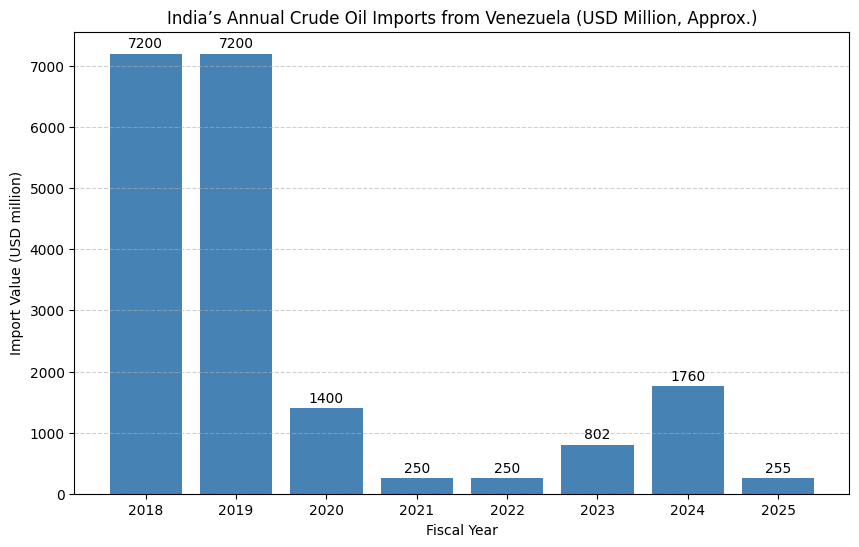
For India, developments in Venezuela are not distant events but carry direct economic and strategic significance. Indian public-sector companies such as ONGC Videsh, Indian Oil Corporation, and Oil India have long-standing investments in Venezuela, with nearly $1 billion in payments and assets remaining frozen due to sanctions and prolonged political uncertainty; a stable political transition could help unlock these dues. At the same time, Venezuelan crude oil is heavy and technically challenging to process, but major Indian refineries—particularly those operated by Reliance Industries and Indian Oil—are specifically designed to handle such grades, giving India a comparative advantage over many other potential buyers. Re-engagement with Venezuela would also support India’s broader objective of diversifying its energy imports and reducing overdependence on a limited number of oil suppliers, thereby strengthening long-term energy security.